Best Cath Lab in Lucknow: Complete Guide to Cardiac Catheterization, Angiography & Angioplasty
Heart disease is one of the most important health concerns affecting adults today. When a patient develops symptoms such as chest pain, breathlessness, unexplained fatigue or other signs of possible heart disease, timely evaluation can be extremely important.
For patients who require detailed assessment or treatment of the coronary arteries, a Cardiac Catheterization Laboratory, commonly called a Cath Lab, can play a vital role.
If you are searching for the Best Cath Lab in Lucknow, it is important to understand what a Cath Lab is, which procedures are performed there, when cardiac catheterization may be recommended, how coronary angiography works, what angioplasty and stent placement involve, and what factors should be considered when choosing a cardiac-care centre.
A modern Cath Lab is much more than a room containing advanced imaging equipment. It is part of a larger cardiac-care system that requires experienced cardiologists, trained nursing and technical staff, appropriate monitoring, emergency support, medication management and coordinated follow-up.
At Globe Healthcare, Lucknow, cardiology is one of the hospital’s multispecialty services. The hospital lists Dr. Rajeev Rastogi, Senior Consultant – Clinical Cardiology, among its specialist doctors. Globe Healthcare also provides 24×7 emergency services for acute illnesses and injuries.
What Is a Cath Lab?
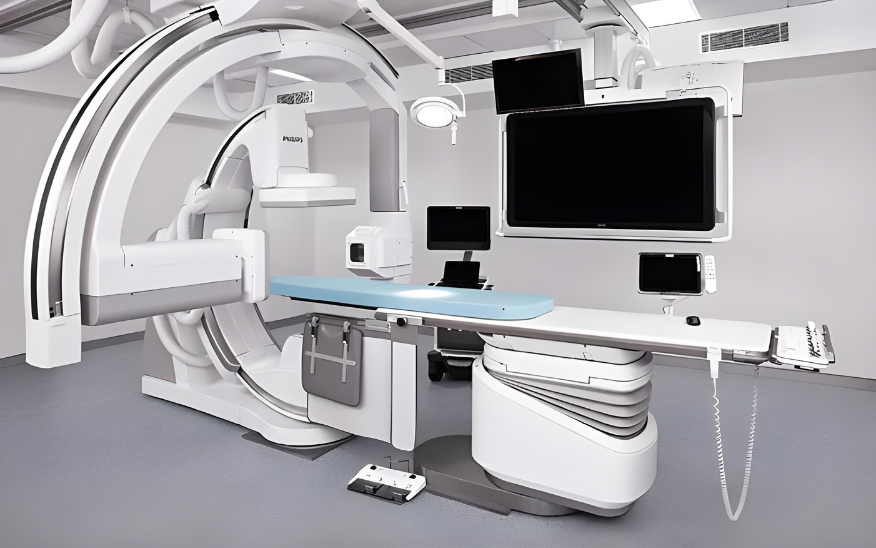
A Cath Lab, short for Cardiac Catheterization Laboratory, is a specialized hospital facility where doctors perform diagnostic and interventional procedures involving the heart and blood vessels.
During cardiac catheterization, a thin flexible tube called a catheter is introduced into a blood vessel and guided toward the heart or coronary arteries.
Using specialized X-ray imaging and contrast material, the cardiologist can visualize blood flow and identify abnormalities such as narrowed or blocked coronary arteries.
According to the American Heart Association, cardiac catheterization can be used to evaluate how the heart is functioning, diagnose certain heart conditions and perform procedures such as angioplasty and stent placement to open narrowed or blocked arteries.
A Cath Lab may therefore be used for both:
- Diagnostic cardiac procedures
- Interventional cardiac procedures
What Is Cardiac Catheterization?
Cardiac catheterization is a minimally invasive procedure used to obtain important information about the heart and blood vessels.
A catheter is inserted through a blood vessel, commonly through an artery in the wrist or groin depending on the procedure and clinical circumstances.
The catheter is carefully guided toward the heart.
The cardiologist can then perform different diagnostic or therapeutic procedures.
Cardiac catheterization may provide information about:
- Coronary artery narrowing
- Coronary artery blockages
- Blood flow
- Heart pressures
- Heart chamber function
- Certain valve-related conditions
- Other structural or vascular abnormalities
The exact procedure performed depends on the patient’s medical condition.
What Is Coronary Angiography?
One of the most common procedures associated with a Cath Lab is coronary angiography.
Coronary angiography is an imaging procedure used to examine the coronary arteries.
During the procedure, contrast material is introduced through a catheter while X-ray images are obtained.
These images can help the cardiologist identify narrowed or blocked coronary arteries.
The American Heart Association describes coronary angiography as an X-ray examination using contrast dye to look for narrowed or blocked coronary arteries during cardiac catheterization.
If a significant blockage is identified, the cardiologist may determine whether treatment such as angioplasty and stent placement is appropriate.
What Is Angioplasty?
Coronary angioplasty, also known as percutaneous coronary intervention (PCI), is a procedure used to open a narrowed or blocked coronary artery.
During angioplasty, a catheter is guided to the affected artery.
A balloon may be inflated at the narrowed area to improve the opening of the artery.
In many cases, a stent is placed to help maintain the vessel’s opening.
The decision to perform angioplasty depends on the patient’s symptoms, clinical condition, coronary anatomy and other factors.
The American Heart Association identifies PCI, including coronary angioplasty with stenting, as a procedure that can be performed during cardiac catheterization to open narrowed or blocked coronary arteries.
What Is a Coronary Stent?
A coronary stent is a small mesh-like tube placed inside a coronary artery to help keep the artery open after treatment of a narrowing.
Stents are commonly used during PCI.
The type of stent and the appropriate treatment strategy depend on the patient’s coronary anatomy and clinical circumstances.
After stent placement, patients generally require specific medicines to reduce the risk of blood clots forming within the stent.
Patients should follow their cardiologist’s medication instructions carefully and should never stop prescribed antiplatelet medication without medical advice.
When Is a Cath Lab Procedure Recommended?
A cardiologist may recommend cardiac catheterization or coronary angiography when there is a clinical reason to obtain detailed information about the heart or coronary arteries.
Possible situations include:
- Suspected coronary artery disease
- Persistent or concerning chest pain
- Abnormal cardiac testing
- Suspected heart attack
- Acute coronary syndrome
- Known coronary artery disease requiring further evaluation
- Evaluation before selected cardiac procedures
- Assessment of certain structural or valvular heart conditions
- Evaluation of coronary artery anatomy before an intervention
The exact indication depends on the patient’s symptoms, medical history, examination and test results.
Cath Lab in a Heart Attack
A Cath Lab can be particularly important in the treatment of certain heart attacks.
When a coronary artery becomes acutely blocked, restoring blood flow to the heart as quickly as clinically appropriate can be critical.
For selected patients with acute coronary syndromes, invasive coronary procedures may be used to identify and treat the blocked artery.
Current professional cardiology guidance includes specific recommendations for the management of acute coronary syndromes and invasive treatment strategies.
However, patients with symptoms suggestive of a heart attack should not search online for a Cath Lab or wait for an appointment.
If someone develops sudden or severe chest pressure, pain spreading to the arm, shoulder, back, neck or jaw, severe breathlessness, sweating, fainting or other concerning symptoms, emergency medical attention should be sought immediately.
What Happens During Coronary Angiography?
The exact procedure varies according to the patient’s condition, but coronary angiography generally involves several steps.
1. Preparation
The healthcare team reviews the patient’s medical history, medicines, allergies and relevant test results.
Blood tests and other assessments may be performed when required.
The patient may receive instructions regarding food, fluids and medications.
2. Local Anesthesia
The access site is cleaned and local anesthesia is used.
The patient is usually awake during a diagnostic coronary angiogram, although medication may be given to help with relaxation when appropriate.
3. Catheter Insertion
A thin catheter is inserted into a blood vessel.
Depending on the procedure and clinical circumstances, access may be obtained through the wrist or groin.
4. Catheter Guidance
The catheter is carefully guided toward the heart and coronary arteries using imaging guidance.
5. Contrast Injection
Contrast material is injected into the coronary arteries.
X-ray images are obtained as the contrast moves through the blood vessels.
6. Assessment
The cardiologist evaluates the coronary arteries and determines whether significant narrowing or blockage is present.
7. Treatment When Indicated
If an appropriate blockage is identified and PCI is indicated, angioplasty and stent placement may sometimes be performed during the same procedure.
In other cases, the cardiologist may recommend medicines, further testing or another treatment approach.
Is Coronary Angiography Painful?
Most patients do not experience significant pain during coronary angiography.
Local anesthesia is used at the catheter insertion site.
Patients may feel:
- Pressure during catheter insertion
- A brief sensation when contrast is injected
- Mild discomfort at the access site
The experience varies from patient to patient.
The medical team monitors the patient throughout the procedure.
How Long Does a Cath Lab Procedure Take?
The duration depends on the type and complexity of the procedure.
A straightforward diagnostic coronary angiogram may be relatively short, while an angioplasty or complex intervention can take longer.
The cardiologist can provide a more specific estimate based on the planned procedure.
What Is the Difference Between Angiography and Angioplasty?
These two terms are often confused.
Angiography
Angiography is primarily a diagnostic imaging procedure.
It is used to visualize the coronary arteries and identify narrowing or blockage.
Angioplasty
Angioplasty is a treatment procedure.
It is performed to open a narrowed or blocked artery.
A stent may be placed during angioplasty when clinically appropriate.
Therefore:
Angiography helps identify the problem.
Angioplasty may be used to treat the problem.
In some situations, both can be performed during the same Cath Lab session.
What Are the Benefits of a Cath Lab?
A Cath Lab provides cardiologists with specialized capabilities for diagnosing and treating cardiovascular conditions.
Potential benefits include:
Direct Visualization of Coronary Arteries
Coronary angiography can provide detailed information about the coronary arteries that may not be available from routine tests alone.
Minimally Invasive Access
Cardiac catheterization is performed through a blood vessel rather than requiring open chest surgery.
Diagnosis and Treatment in One Setting
When appropriate, a diagnostic angiogram can be followed by an intervention such as PCI during the same procedure.
Rapid Treatment in Selected Emergencies
For certain acute coronary conditions, catheter-based intervention can allow treatment of an obstructed artery without traditional open-heart surgery.
Detailed Assessment
Catheterization can provide important information about coronary anatomy and, in selected cases, pressure or physiological measurements.
For intermediate coronary lesions, invasive physiological assessment such as FFR or related techniques can help inform decisions about whether a lesion is functionally significant. The American Heart Association’s 2025 scientific statement highlights the role of invasive coronary physiological assessment in selected intermediate lesions.
What Is FFR in a Cath Lab?
FFR, or Fractional Flow Reserve, is an invasive physiological measurement that can help determine whether a coronary artery narrowing significantly affects blood flow.
Not every narrowing seen on an angiogram necessarily causes a clinically important reduction in blood flow.
In selected patients with intermediate coronary lesions, physiological assessment can provide additional information to guide treatment decisions.
The American Heart Association’s 2025 scientific statement discusses FFR and non-hyperemic pressure ratios as tools for invasive assessment of intermediate coronary lesions and emphasizes interpreting these measurements within the patient’s clinical context.
What Are the Risks of Cardiac Catheterization?
Cardiac catheterization is commonly performed, but like every medical procedure, it carries potential risks.
Possible complications include:
- Bleeding at the catheter insertion site
- Bruising
- Infection
- Blood vessel injury
- Allergic or other reactions to contrast material
- Abnormal heart rhythm
- Kidney-related complications in susceptible patients
- Blood clots
- Rarely, heart attack or stroke
- Rarely, other serious complications
The individual risk depends on the patient’s age, health, kidney function, heart condition, medications and the complexity of the procedure.
The cardiology team should discuss the specific risks before the procedure.
Who May Need Special Preparation?
Patients should tell their cardiologist and Cath Lab team if they have:
- Diabetes
- Kidney disease
- Previous contrast reactions
- Bleeding disorders
- Blood-thinning medication
- Pregnancy or possible pregnancy
- Previous coronary interventions
- Other significant medical conditions
Some medications may need adjustment before a procedure, but patients should never stop prescribed medicines independently.
What Happens After Angiography?
After the procedure, the patient is monitored for a period of time.
The catheter access site is checked for bleeding or other complications.
Depending on the procedure and the patient’s condition, the patient may be discharged the same day or may require hospital observation.
After discharge, patients are generally given instructions regarding:
- Wound/access-site care
- Physical activity
- Medication
- Hydration
- Follow-up
- Warning signs requiring medical attention
Patients should follow the cardiologist’s instructions carefully.
Recovery After Angioplasty and Stent Placement
Recovery after PCI varies according to the patient’s condition and the complexity of the procedure.
Some patients can return to routine activities relatively quickly, while others may require a longer recovery period.
Patients who have undergone angioplasty and stent placement may need long-term cardiovascular risk management.
This can include:
- Prescribed antiplatelet medication
- Cholesterol management
- Blood-pressure control
- Diabetes management
- Smoking cessation
- Heart-healthy nutrition
- Physical activity as medically appropriate
- Cardiac rehabilitation when recommended
- Regular cardiology follow-up
The stent treats the specific coronary narrowing, but it does not eliminate the underlying tendency toward coronary artery disease.
Does a Stent Cure Heart Disease?
No.
A stent can open a narrowed coronary artery, but coronary artery disease is a broader condition.
Patients may continue to have cardiovascular risk factors such as:
- High cholesterol
- High blood pressure
- Diabetes
- Smoking
- Obesity
- Physical inactivity
- Family history
- Other metabolic or lifestyle-related risks
Long-term medical treatment and lifestyle management remain important after PCI.
Choosing the Best Cath Lab in Lucknow
Patients searching for the Best Cath Lab in Lucknow should look beyond advertisements and equipment names.
Important factors include:
Experienced Interventional Cardiologists
Cath Lab procedures require specialized expertise.
Ask about the cardiologist’s experience with the procedure being considered.
Emergency Cardiac Support
For hospitals treating acute cardiac conditions, appropriate emergency support and rapid coordination can be important.
Advanced Imaging and Monitoring
A Cath Lab requires specialized imaging, monitoring and procedural equipment.
Trained Cath Lab Team
Cardiologists work with nurses, technicians, anesthetic and critical-care teams as appropriate.
ICU and Critical-Care Support
Patients undergoing complex cardiac procedures may require intensive monitoring and treatment.
Laboratory and Diagnostic Support
Blood testing and other diagnostic services may be needed before and after procedures.
Multispecialty Care
Patients with heart disease may have diabetes, kidney disease, lung disease or other conditions that require coordinated care.
Cath Lab and Multispecialty Cardiac Care in Lucknow
Cardiac treatment is rarely isolated from the rest of a patient’s health.
A patient undergoing coronary intervention may also require support from:
- Internal medicine
- Nephrology
- Diabetology/endocrinology
- Pulmonology
- Critical care
- Emergency medicine
- Radiology
- Laboratory medicine
Globe Healthcare operates as a multispecialty hospital in Lucknow and lists cardiology alongside specialties including nephrology, pulmonology, endocrinology, urology and other departments.
This multidisciplinary environment can be valuable when cardiac patients have multiple medical conditions.
Cath Lab in Lucknow: Why Location and Emergency Access Matter
For planned cardiac procedures, patients can compare hospitals and cardiology teams carefully.
However, in a suspected heart attack, time is critical.
Patients should seek emergency medical care immediately rather than spending time comparing hospitals online.
Globe Healthcare states that its emergency service operates 24×7 and provides immediate medical care for acute illnesses and injuries.
For any specific Cath Lab or interventional cardiology availability, patients should confirm current service availability directly with the hospital.
Cardiac Catheterization at Globe Healthcare, Lucknow
Globe Healthcare is a multispecialty hospital in Lucknow with a dedicated Cardiology service.
Its specialist team includes Dr. Rajeev Rastogi, Senior Consultant – Clinical Cardiology, MBBS, MD Medicine, DM Cardiology.
The hospital also lists emergency services, ICU and high-dependency care among its facilities and services.
Patients requiring cardiac evaluation can consult the cardiology team to determine whether tests such as ECG, echocardiography, stress testing, coronary CT angiography or invasive cardiac catheterization are appropriate.
Where an invasive Cath Lab procedure is required, the cardiologist can explain the available treatment pathway and whether coronary angiography or intervention is indicated.
When Should You See a Cardiologist?
You should consider a cardiology consultation if you experience symptoms such as:
- Chest discomfort
- Chest pressure or heaviness
- Breathlessness
- Palpitations
- Unexplained fatigue
- Dizziness or fainting
- Reduced exercise tolerance
- Swelling of the legs
- Recurrent symptoms during physical activity
Some patients may have coronary artery disease without obvious symptoms, particularly those with significant risk factors.
A doctor can assess your individual risk and recommend appropriate investigations.
Heart Attack Warning Signs: Seek Emergency Care
Do not wait for a routine appointment if you experience possible heart-attack symptoms.
Warning signs may include:
- Sudden or persistent chest pressure or pain
- Pain spreading to the arm, shoulder, back, neck or jaw
- Severe shortness of breath
- Cold sweating
- Nausea or vomiting
- Sudden weakness
- Dizziness or fainting
Symptoms can vary, and some patients—particularly women, older adults and people with diabetes—may have less typical symptoms.
If a heart attack is suspected, seek emergency medical attention immediately.
Frequently Asked Questions About Cath Labs in Lucknow
What is a Cath Lab?
A Cath Lab is a specialized medical facility where cardiologists perform diagnostic and interventional procedures involving the heart and blood vessels.
What is a cardiac catheterization?
Cardiac catheterization involves guiding a thin catheter through a blood vessel toward the heart to diagnose or treat certain cardiovascular conditions.
What is coronary angiography?
Coronary angiography uses contrast material and X-ray imaging to visualize the coronary arteries and identify narrowing or blockages.
What is angioplasty?
Angioplasty, or PCI, is a catheter-based procedure used to open a narrowed or blocked coronary artery. A stent may be placed when appropriate.
Is angiography the same as angioplasty?
No. Angiography is primarily diagnostic, while angioplasty is a treatment procedure used to improve blood flow through a narrowed or blocked artery.
Is a Cath Lab procedure painful?
Most patients experience little pain. Local anesthesia is used at the catheter insertion site, although pressure or brief discomfort may occur.
How long does angiography take?
The duration varies depending on the procedure and the patient’s condition. A straightforward diagnostic angiogram may be shorter than an angioplasty or complex intervention.
Is cardiac catheterization safe?
Cardiac catheterization is routinely performed, but it carries potential risks. Your cardiologist should explain the risks and benefits specific to your condition.
Can angiography and angioplasty be performed together?
Yes. In selected patients, if a significant blockage is identified during angiography and PCI is appropriate, angioplasty and stent placement may be performed during the same procedure.
Is a stent permanent?
Coronary stents are designed to remain inside the artery. Patients who receive stents generally require specific medications and long-term cardiovascular management as advised by their cardiologist.
How do I choose the best Cath Lab in Lucknow?
Consider the experience of the interventional cardiology team, emergency support, critical-care facilities, diagnostic capabilities, Cath Lab infrastructure, nursing and technical staff, and follow-up cardiac care.
Conclusion
A Cardiac Catheterization Laboratory is an important component of modern cardiovascular care, providing facilities for diagnostic procedures such as coronary angiography and, when appropriate, interventional procedures such as angioplasty and stent placement.
For patients searching for the Best Cath Lab in Lucknow, the most important consideration should not simply be the name of the equipment or the advertised price.
Look for an experienced cardiac team, appropriate facilities, emergency support, critical-care capabilities and coordinated follow-up.
At Globe Healthcare, Lucknow, cardiology is part of the hospital’s multispecialty services, with Dr. Rajeev Rastogi, Senior Consultant – Clinical Cardiology, listed among the specialist doctors. The hospital also provides 24×7 emergency services and critical-care support.
If your doctor has recommended coronary angiography, cardiac catheterization or angioplasty, discuss the reason for the procedure, expected benefits, possible alternatives, risks and recovery requirements with your cardiologist.
For suspected heart-attack symptoms, do not delay emergency medical care while searching online for a hospital or Cath Lab.
Medical Disclaimer
This article is intended for general educational purposes only and should not replace medical diagnosis, treatment or advice from a qualified healthcare professional. The need for cardiac catheterization, coronary angiography, angioplasty or stent placement must be determined by an appropriately qualified cardiologist after evaluating the patient’s individual clinical condition.