Robotic Cancer Surgery in Lucknow: Advanced da Vinci Robotic Surgery for Cancer Treatment
Cancer surgery has changed considerably with advances in minimally invasive techniques, surgical imaging and computer-assisted technology. Among these developments, robotic-assisted cancer surgery has become an important surgical option for appropriately selected patients.
For patients searching for Robotic Cancer Surgery in Lucknow or Uttar Pradesh, it is important to understand what robotic surgery actually involves, which cancers may be treated using robotic techniques, the potential advantages and limitations, and why the experience of the surgical oncology team remains central to treatment.
At Globe Healthcare, Lucknow, cancer care is supported through a multidisciplinary team covering surgical oncology, medical oncology, radiation oncology and other specialized services. The hospital’s specialist team includes Dr. Pavan Karella, Senior Surgical Oncologist and Laparoscopic & Robotic Cancer Surgeon.
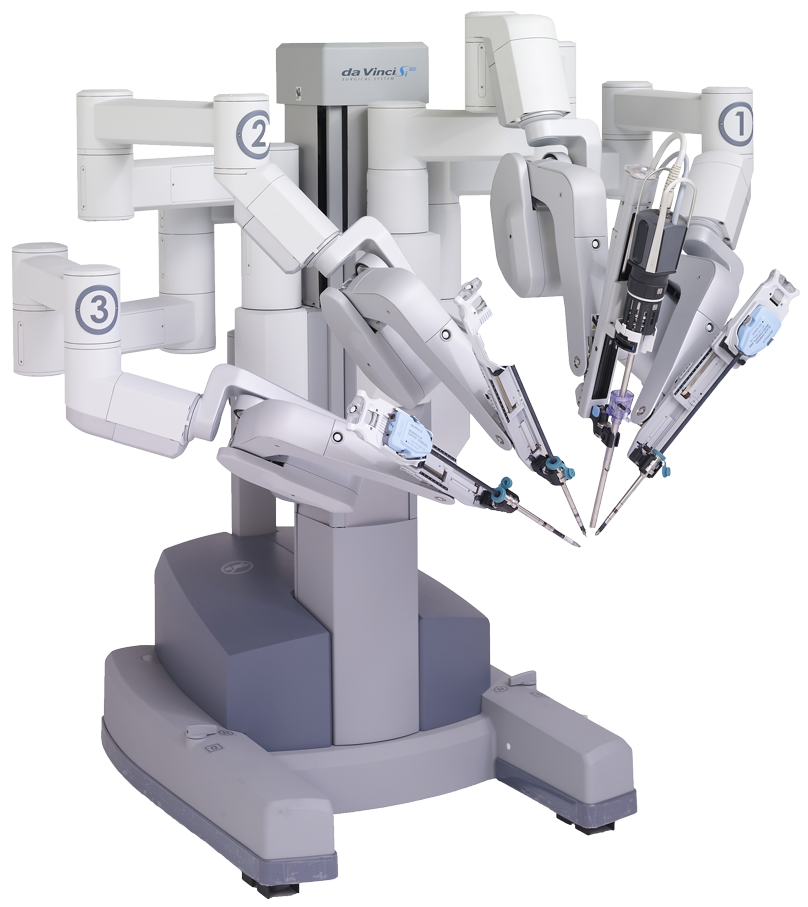
Robotic surgery does not mean that a machine independently performs the operation. In robotically assisted surgery, the surgeon controls the instruments through a computer-assisted surgical system. The technology can provide magnified three-dimensional visualization and articulated instrument movement, helping the surgeon perform selected minimally invasive procedures through small incisions.
What Is Robotic Cancer Surgery?
Robotic cancer surgery is a minimally invasive surgical approach in which a specially trained surgeon controls robotic surgical instruments from a console.
The system typically includes:
- A surgeon’s console
- A patient-side robotic system
- A high-definition three-dimensional camera
- Specialized articulated surgical instruments
- Computer and software systems that translate the surgeon’s movements into instrument movements
The robotic system itself does not make independent surgical decisions. The surgeon remains responsible for planning and performing the operation. The FDA describes robotically assisted surgical systems as computer-assisted systems that allow surgeons to control instruments through small incisions during minimally invasive procedures.
This distinction is important because robotic surgery is a technology used by the surgeon—not a replacement for surgical expertise.
What Is da Vinci Robotic Surgery?
The da Vinci Surgical System is a widely recognized robotic-assisted surgical platform used for selected minimally invasive procedures.
During a da Vinci procedure, the surgeon operates from a console and controls specialized instruments attached to robotic arms. A camera provides a magnified three-dimensional view of the surgical field.
The technology can be particularly useful when the surgeon needs to work within a confined or anatomically difficult area.
The potential technological advantages include:
- Magnified visualization
- Three-dimensional view
- Articulated instrument movement
- Fine control of surgical instruments
- Small-incision access
- Enhanced access to certain difficult anatomical locations
However, the suitability of robotic surgery depends on the individual procedure and patient. The FDA emphasizes that robotically assisted surgery may be appropriate for certain procedures but is not suitable for every situation.
Robotic Cancer Surgery in Lucknow
Lucknow has developed into an important healthcare destination for patients from across Uttar Pradesh and neighboring regions.
For patients considering robotic cancer surgery in Lucknow, the decision should not be based only on whether a hospital has robotic technology.
The more important considerations include:
- The type of cancer
- The stage of cancer
- Tumor size and location
- Whether lymph nodes are involved
- Whether the tumor has spread to other organs
- The patient’s general health
- The proposed surgical procedure
- The surgeon’s experience with the particular operation
- Availability of medical and radiation oncology services
- Postoperative and rehabilitation support
At Globe Healthcare, the Comprehensive Cancer Centre brings different oncology specialties together, including surgical oncology, medical oncology, radiation oncology, nuclear medicine, interventional radiology, pediatric oncology, preventive oncology, geriatric oncology, pain and palliative care, and rehabilitation services.
This multidisciplinary approach is particularly relevant because cancer treatment often requires more than surgery alone.
Which Cancers Can Be Treated With Robotic Surgery?
Robotic-assisted techniques are used in selected surgical procedures across urology, colorectal surgery, gynecology, thoracic surgery, head and neck surgery and general surgery. The FDA lists robotically assisted procedures in several of these surgical fields.
Depending on the patient’s diagnosis and treatment plan, robotic-assisted surgery may be considered for selected cancers such as:
Robotic Surgery for Prostate Cancer
Prostate cancer is one of the most established areas of robotic-assisted surgery.
A procedure known as robot-assisted radical prostatectomy involves removing the prostate gland and, when indicated, nearby tissues and lymph nodes.
The National Cancer Institute describes robot-assisted prostatectomy as an alternative to open prostatectomy. It has become a commonly used technique in many developed countries.
During robotic prostate surgery, small abdominal incisions are used to introduce the camera and surgical instruments. The surgeon operates from the console while viewing the prostate and surrounding structures through a three-dimensional camera system.
Functional outcomes such as urinary control and sexual function are important considerations and should be discussed individually with the treating surgeon.
Robotic Surgery for Colorectal Cancer
Selected colon and rectal cancer procedures can be performed using minimally invasive techniques, including robotic-assisted surgery.
The confined anatomy of the pelvis can make certain rectal cancer operations technically challenging. Robotic technology may provide the surgeon with articulated instruments and magnified visualization during appropriately selected procedures.
The surgical approach should be determined according to the tumor, its location and stage, the patient’s anatomy, previous treatment and the surgeon’s expertise.
Robotic Surgery for Gynecological Cancers
Robotic-assisted surgery can be considered for selected gynecological procedures, including certain operations involving the uterus and other pelvic structures.
Depending on the diagnosis, surgery may form part of treatment for selected endometrial, cervical and other gynecological cancers.
Importantly, robotic surgery should not automatically be considered the best approach for every gynecological cancer. The appropriate surgical technique should be determined after evaluating the cancer and available evidence for the specific procedure.
Robotic Head and Neck Cancer Surgery
One specialized application is Transoral Robotic Surgery (TORS).
TORS allows selected tumors in areas of the throat and head and neck to be approached through the mouth rather than through a large external incision.
This approach may be considered for appropriately selected patients with certain tumors of the oropharynx and other accessible head and neck regions.
Robotic Thoracic Cancer Surgery
Robotic-assisted minimally invasive surgery may also be used for selected procedures involving the chest and lungs.
Whether robotic surgery is appropriate depends on the tumor’s location, size, stage, relationship with surrounding structures and the patient’s overall condition.
Robotic Gastrointestinal Cancer Surgery
Selected gastrointestinal cancers may also be managed using minimally invasive or robotic-assisted approaches.
The exact procedure depends on the location and characteristics of the tumor and may involve removal of part of an organ, nearby lymph nodes or other tissues as medically indicated.
What Are the Benefits of Robotic Cancer Surgery?
Patients often search for robotic cancer surgery in Lucknow because they have heard that robotic procedures can provide faster recovery or smaller incisions.
There can be potential benefits, but these vary according to the procedure and individual patient.
1. Smaller Incisions
Robotic-assisted surgery generally uses several small incisions rather than the larger incision associated with many traditional open procedures.
Smaller incisions can reduce the extent of surgical wounds and may result in smaller scars.
2. Magnified 3D Visualization
One of the important features of robotic surgery is the surgeon’s magnified three-dimensional view of the operative field.
This can help the surgeon visualize anatomical structures during technically demanding procedures.
3. Articulated Instruments
Robotic instruments can provide wrist-like articulation inside the body.
This can be useful when the surgeon needs to work around structures or within confined anatomical spaces.
4. Minimally Invasive Access
Robotic surgery is generally performed through small access points.
For appropriately selected procedures, minimally invasive surgery can potentially reduce surgical trauma compared with conventional open surgery.
5. Recovery Considerations
Depending on the procedure, patients may experience less postoperative discomfort, earlier mobility and a shorter hospital stay compared with some open procedures.
However, recovery is highly individual.
Robotic surgery should not be promoted as guaranteeing less pain, faster recovery or better cancer survival for every patient.
The FDA notes that robotically assisted surgical devices have been cleared for particular surgical procedures, but cancer-specific long-term outcomes such as recurrence, disease-free survival and overall survival have not been established simply because a robotic system is used.
Is Robotic Surgery Better Than Traditional Cancer Surgery?
This is one of the most important questions patients ask.
There is no single surgical approach that is best for every cancer patient.
Depending on the circumstances, the appropriate approach may be:
- Robotic surgery
- Laparoscopic surgery
- Open surgery
- Endoscopic surgery
- A combination of surgical and nonsurgical treatments
The goal should always be appropriate cancer treatment while considering patient safety and functional outcomes.
Robotic technology may provide technical advantages in selected operations, but it does not automatically make every cancer operation superior.
The surgeon’s experience, appropriate patient selection and the overall cancer treatment plan remain essential.
Is Robotic Cancer Surgery Safe?
Robotic-assisted surgery can be performed safely when appropriately selected and carried out by properly trained surgical teams.
However, no major operation is completely risk-free.
Potential risks can include:
- Bleeding
- Infection
- Blood clots
- Injury to nearby organs or tissues
- Anesthesia-related complications
- Urinary or bowel problems depending on the procedure
- Procedure-specific complications
- Conversion to open surgery when required
The FDA recommends that patients considering robotically assisted surgery discuss the benefits and risks with their healthcare provider and ask about the surgeon’s training and experience with the technology.
Why the Cancer Surgeon Matters
When choosing robotic cancer surgery in Lucknow, patients should look beyond the technology.
A robotic system is a surgical tool. The surgeon’s knowledge of cancer surgery, anatomy, tumor biology and appropriate patient selection remains fundamental.
Patients should consider asking:
How experienced is the surgeon with my specific procedure?
This is different from simply asking how long a hospital has had robotic equipment.
A surgeon who regularly performs a particular robotic cancer procedure may have experience relevant to the specific operation being considered.
At Globe Healthcare, Dr. Pavan Karella is listed as a Senior Surgical Oncologist and Laparoscopic & Robotic Cancer Surgeon. His profile also lists qualifications and training associated with surgical oncology and robotic surgery.
Why a Multidisciplinary Cancer Team Is Important
Cancer treatment is often most effectively planned through collaboration between different specialists.
Depending on the patient’s diagnosis, a cancer team may include:
- Surgical oncologist
- Medical oncologist
- Radiation oncologist
- Radiologist
- Pathologist
- Anesthesiologist
- Specialist nurses
- Physiotherapists
- Rehabilitation specialists
- Pain and palliative care specialists
Globe Healthcare’s Comprehensive Cancer Centre describes an integrated cancer service involving multiple oncology specialties and supportive services.
This means the question should not simply be:
“Can my cancer be operated on robotically?”
A more useful question is:
“What complete treatment plan is most appropriate for my cancer, and where does robotic surgery fit into that plan?”
What Happens Before Robotic Cancer Surgery?
Before surgery, the cancer team typically evaluates the patient’s medical history, physical condition and cancer characteristics.
Depending on the diagnosis, investigations may include:
- Blood tests
- Biopsy and pathology
- CT scan
- MRI
- PET-CT
- Ultrasound
- Endoscopy
- Cancer staging investigations
- Cardiac or pulmonary assessment when required
- Anesthesia evaluation
The surgeon then determines whether surgery is appropriate and whether robotic, laparoscopic or open surgery is the appropriate approach.
Some patients may receive chemotherapy, radiation therapy or other systemic treatment before surgery.
In other cases, additional treatment may be recommended after surgery based on the final pathology report.
What Happens During da Vinci Robotic Surgery?
The procedure is performed under anesthesia.
After the patient is positioned appropriately, small incisions are made to introduce the camera and surgical instruments.
The surgeon sits at the console and controls the robotic instruments.
The three-dimensional camera provides an enlarged view of the surgical field, while the articulated instruments allow controlled movements.
The surgeon then performs the planned cancer operation.
Depending on the cancer, this may involve:
- Removal of the primary tumor
- Removal of part or all of an affected organ
- Removal of nearby lymph nodes
- Removal of surrounding tissues when medically required
- Preservation of important structures when oncologically safe
The removed tissue is sent to pathology for detailed examination.
Recovery After Robotic Cancer Surgery
Recovery depends on the specific operation and the patient’s general condition.
After surgery, the medical team monitors the patient and manages pain, nutrition, mobility and other aspects of recovery.
Patients may be encouraged to begin moving as soon as medically appropriate.
Before discharge, the healthcare team generally provides instructions regarding:
- Medicines
- Wound care
- Diet
- Physical activity
- Follow-up appointments
- Warning signs
- Return to work
- Exercise
- Further cancer treatment
The final pathology report may also determine whether chemotherapy, radiation therapy or other treatment is recommended.
Does Robotic Surgery Cure Cancer?
Robotic surgery itself should not be described as a cure for cancer.
The objective of cancer surgery is to remove the cancer appropriately when surgery is indicated.
Cancer outcomes depend on many factors, including:
- Cancer type
- Stage
- Tumor biology
- Tumor size
- Lymph-node involvement
- Metastatic disease
- Completeness of tumor removal
- Response to other treatments
- Overall health
The FDA specifically cautions that robotically assisted surgical systems are cleared for particular surgical procedures and that clearance should not be interpreted as establishing the robotic device itself as a cancer treatment or guaranteeing cancer-related outcomes.
Therefore, patients should view robotic surgery as one component of modern cancer surgery, not as a standalone cure.
Who May Be a Candidate for Robotic Cancer Surgery?
A patient may be considered for robotic surgery after assessment of:
- Cancer type
- Cancer stage
- Tumor location
- Tumor size
- Lymph-node involvement
- Spread to surrounding organs
- Previous surgery
- Previous radiation or chemotherapy
- General medical condition
- Surgical risk
- Availability of an appropriately experienced surgeon
The final decision should be individualized.
Questions to Ask Your Robotic Cancer Surgeon
If you are considering robotic cancer surgery in Lucknow, ask your surgeon:
- What type and stage of cancer do I have?
- Is surgery recommended for my cancer?
- Is robotic surgery appropriate in my case?
- What are the alternatives to robotic surgery?
- How many similar robotic procedures have you performed?
- What are the major risks?
- What is the expected hospital stay?
- What is the expected recovery period?
- Will lymph nodes need to be removed?
- Will I need chemotherapy or radiation therapy?
- Could the surgery need to be converted to open surgery?
- What functional effects could the surgery have?
- What follow-up will I require?
These questions can help patients understand their treatment options rather than choosing a surgical approach solely because it uses advanced technology.
Why Consider Robotic Cancer Surgery in Lucknow?
Patients from across Uttar Pradesh and neighboring regions may seek advanced cancer treatment in Lucknow.
For patients considering robotic-assisted cancer surgery, factors worth evaluating include:
- Experienced surgical oncology team
- Availability of minimally invasive surgical expertise
- Multidisciplinary cancer care
- Diagnostic and imaging facilities
- Medical oncology support
- Radiation oncology support
- Pathology services
- Intensive care and postoperative support
- Rehabilitation and follow-up care
Globe Healthcare’s cancer centre describes a comprehensive oncology service with surgical, medical and radiation oncology alongside other specialized cancer-care services.
Robotic Cancer Surgery in Uttar Pradesh: Bringing Advanced Surgical Care Closer to Patients
For many patients, traveling outside Uttar Pradesh for every stage of cancer treatment can create additional financial, logistical and emotional challenges.
The availability of advanced cancer surgery in Lucknow provides patients in Uttar Pradesh with access to specialized cancer evaluation and treatment closer to home.
However, location should not be the only consideration.
Patients should select their treatment approach based on their diagnosis, medical requirements, surgeon expertise, hospital facilities and the complete cancer-care pathway.
Robotic Cancer Surgery at Globe Healthcare, Lucknow
Globe Healthcare provides comprehensive cancer services in Lucknow through a multidisciplinary cancer-care model.
Its specialist team includes Dr. Pavan Karella, Senior Surgical Oncologist and Laparoscopic & Robotic Cancer Surgeon, along with specialists in medical oncology, radiation oncology and other areas of cancer care.
For patients exploring robotic cancer surgery, the first step is an individualized consultation.
The surgical team can review the patient’s diagnostic reports, imaging, biopsy findings and cancer stage to determine whether surgery is appropriate and whether a robotic approach may be suitable.
When Should You Consult a Robotic Cancer Surgeon?
You may consider consulting a surgical oncologist when:
- You have recently been diagnosed with cancer
- Your doctor has recommended surgery
- You want to understand minimally invasive surgical options
- You have been advised to undergo open surgery and want to understand alternatives
- You need a second opinion regarding cancer surgery
- You want to understand whether robotic surgery is appropriate for your specific cancer
Early specialist evaluation can help establish the diagnosis, stage the disease and develop an individualized treatment plan.
Frequently Asked Questions About Robotic Cancer Surgery in Lucknow
What is robotic cancer surgery?
Robotic cancer surgery is a minimally invasive surgical approach in which a trained surgeon controls specialized instruments using a robotic-assisted surgical system.
Is da Vinci surgery performed by a robot?
No. The surgeon controls the system. The technology assists with visualization and instrument movement but does not independently decide or perform the operation.
Which cancers can be treated with robotic surgery?
Selected prostate, colorectal, gynecological, thoracic, head and neck, urological and gastrointestinal cancer procedures may be performed using robotic-assisted techniques. Suitability depends on the individual patient and procedure.
Is robotic cancer surgery available in Lucknow?
Robotic surgery is available in Lucknow, including programs offering robotic-assisted procedures for selected cancer operations. The availability of a specific procedure should be confirmed with the treating hospital and surgeon.
Is robotic surgery suitable for every cancer patient?
No. The cancer type, stage, tumor location, patient health and surgeon’s assessment all influence whether robotic surgery is appropriate.
Does robotic surgery guarantee a cure?
No. Robotic surgery is a surgical technique and does not guarantee cancer cure or prevent recurrence.
Is robotic surgery less painful?
Some minimally invasive procedures may be associated with less postoperative discomfort than comparable open procedures, but the experience varies according to the operation and individual patient.
How long does recovery take after robotic cancer surgery?
Recovery depends on the specific cancer operation, patient’s health and whether complications occur. The treating surgeon can provide a more individualized estimate.
How can I know whether I am suitable for robotic cancer surgery?
A consultation with a qualified surgical oncologist is required. Your diagnosis, biopsy, imaging, cancer stage and overall health should be reviewed before deciding on the surgical approach.
Conclusion: Advanced Robotic Cancer Surgery With Individualized Cancer Care
Robotic cancer surgery represents an important development in minimally invasive surgical oncology.
The da Vinci robotic platform can provide surgeons with magnified three-dimensional visualization and articulated instruments that may be useful for selected complex procedures.
However, successful cancer treatment depends on much more than technology.
The right approach depends on the type and stage of cancer, tumor characteristics, patient health, surgical expertise and the overall treatment plan.
For patients looking for Robotic Cancer Surgery in Lucknow or Uttar Pradesh, an experienced surgical oncology consultation is an important first step.
At Globe Healthcare, Lucknow, patients can access a multidisciplinary cancer-care environment with surgical oncology, medical oncology, radiation oncology and other supportive cancer services. The hospital’s specialist team includes Dr. Pavan Karella, Senior Surgical Oncologist and Laparoscopic & Robotic Cancer Surgeon.
If you or a family member has been diagnosed with cancer and are considering robotic surgery, discuss your diagnosis, treatment alternatives, expected benefits, potential risks and recovery with your cancer specialist.
The goal is not simply to use robotic technology—it is to choose the most appropriate cancer treatment for the individual patient.
Medical Disclaimer
This article is intended for general educational and informational purposes only. It does not replace consultation with a qualified medical professional. Robotic surgery is not appropriate for every cancer or every patient. Treatment decisions should be based on an individual’s diagnosis, cancer stage, medical condition and evaluation by an appropriately qualified cancer specialist.